November 10, 2025

Francisco
Blog
A Perfect day in Paris: Complete Guide from Opera to Le Marais
Discover our authentic itinerary to experience Paris like a local: heritage, shopping, art, and plant-based gastronomy
How to see Paris in a day: 24 hours itinerary
Paris reveals itself differently depending on whether you visit as a rushed tourist or take the time to wander through its iconic neighborhoods. This autumn Saturday, we chose the latter option, and the capital offered us a day rich in discoveries, between iconic landmarks and hidden gems. Here’s the story of our Parisian escapade, a practical guide for anyone wondering what to do in Paris during a weekend.
Morning: Walking Tour from the Opéra Garnier
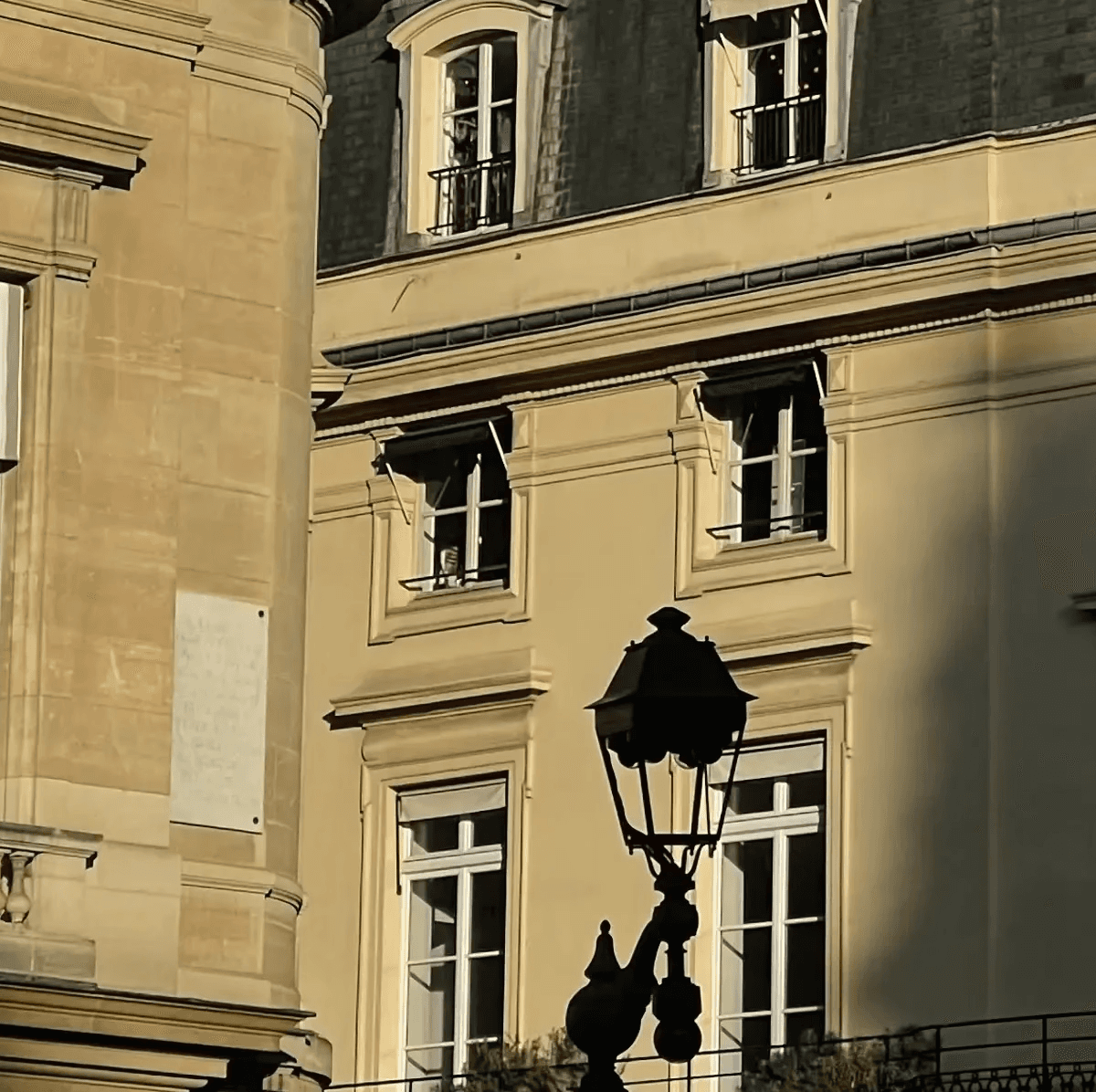
Our Parisian day began in the 9th arrondissement, facing the majestic Opéra Garnier. This architectural masterpiece designed by Charles Garnier and inaugurated in 1875 remains one of Paris’s most photographed symbols. With its baroque facade adorned with sculptures, majestic columns, and golden dome, the Palais Garnier commands respect at first sight.
Joining a walking tour in Paris from the Opera is an excellent way to start your day. These guided walking tours help you understand the history of Parisian neighborhoods, discover little-known anecdotes, and navigate the city. Our guide led us through the grand Haussmann boulevards, those majestic arteries created in the 19th century that transformed Paris into the modern city we know today. Do not hesitate to contact us should you need assistance on this.
Gourmet break at Galerie Vivienne
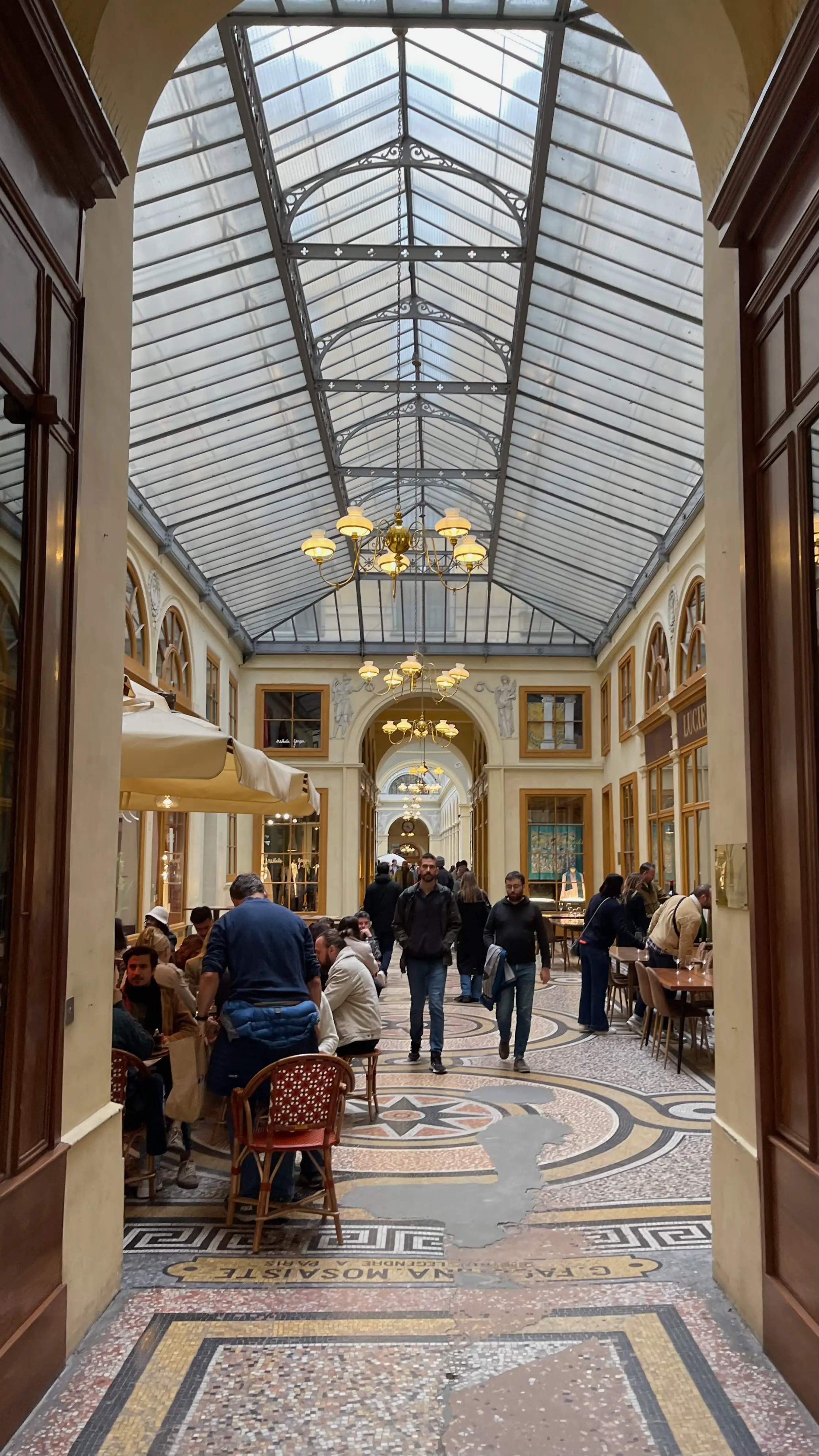
Our morning stroll naturally led us to Galerie Vivienne, one of Paris’s most beautiful covered passages and an absolute must-see for anyone wanting to discover elegant 19th-century Paris. Inaugurated in 1823, this gallery, a classified Historic Monument, immediately captivates with its luminous glass roof, geometric mosaic floor, and perfectly preserved neoclassical decorations.
In this enchanting setting, we found our takeaway lunch. Galerie Vivienne houses several gourmet shops: refined caterers, artisan pastry shops, wine cellars, and fine food stores coexist under the arcades. We opted for traditional French specialties, perfect for an improvised Parisian picnic. Between purchases, take time to admire the Jousseaume bookstore, a literary institution present since 1826, and the vintage fashion boutiques that add charm to the place.
Lunch at the Palais Royal Garden
Armed with our precious culinary bounty, we headed to the Palais Royal, located just a few minutes’ walk away. Passing through the gates of Palais Royal means entering a haven of peace in the heart of Paris. The perfectly maintained French gardens offer an idyllic setting for outdoor dining.
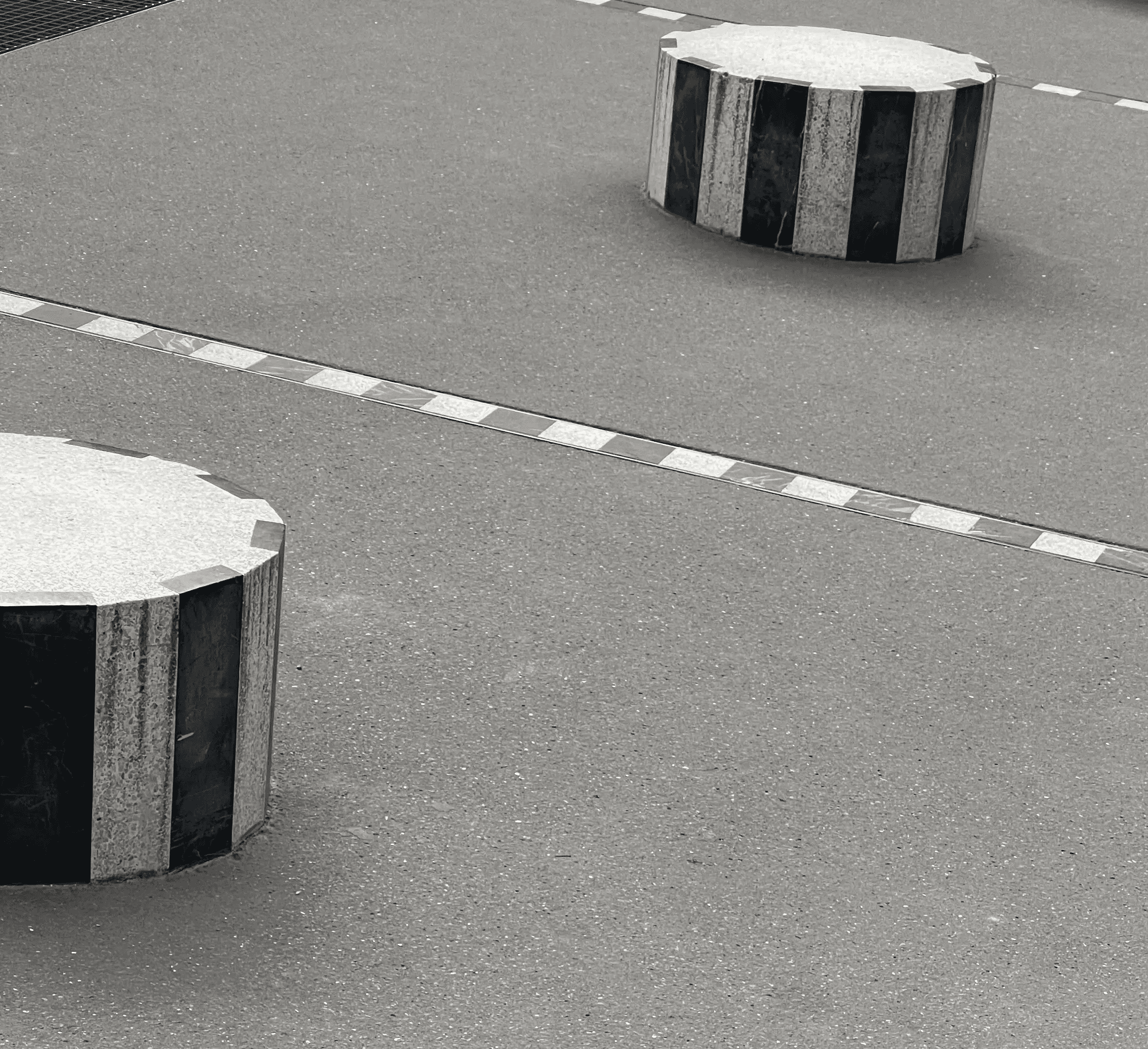
Seated on one of the iconic green benches facing Buren’s columns, we savored our meal in a timeless atmosphere. These 260 black-and-white striped columns, the controversial work by artist Daniel Buren installed in 1986, have become an essential Instagram spot, but also a meeting place for Parisians. The contrast between the Palais Royal’s classical architecture and this contemporary installation perfectly summarizes Paris’s ability to blend tradition and modernity.
Under its arcades, Palais Royal houses exclusive luxury boutiques, Michelin-starred restaurants, and the Council of State. Once the palace of Cardinal Richelieu, then residence of the royal family, this history-laden place deserves to be explored well beyond lunchtime.
Afternoon: Exploring Le Marais
Paris’s Most Authentic Neighborhood
The crossing toward Le Marais naturally follows after Palais Royal. This historic district, spared by the major Haussmann transformations, has preserved its medieval layout and 17th-century mansions. Today, Le Marais has become the epicenter of Parisian cultural life, a place where history meets contemporary creativity.
Its cobblestone streets invite aimless wandering. Rue des Rosiers, rue Vieille-du-Temple, rue des Francs-Bourgeois: each street reveals architectural treasures and addresses to discover. The atmosphere is unique, blending historic Jewish community, dynamic LGBTQ+ scene, cutting-edge art galleries, and designer boutiques.
Character Shopping: Vintage, Art, and Perfumes
Le Marais abounds with vintage shops in Paris city center that delight hunters of unique pieces. Free’P’Star, Vintage Desir, or Mamz’elle Swing offer carefully selected clothing and accessories from the 1950s to 1990s. For lovers of sustainable fashion and retro style, these addresses are true treasure troves where you can spend hours browsing.
The art galleries in Le Marais number in the dozens. Contemporary art, photography, street art: all disciplines are represented in this neighborhood that rivals Saint-Germain-des-Prés for cultural vibrancy. Most galleries offer free entry, allowing you to discover young talents or established artists without spending a penny.
Our visit to Dover Street Market Paris was a highlight of the afternoon. This revolutionary concept store, created by Rei Kawakubo (founder of Comme des Garçons), occupies a magnificent Marais mansion. Over several floors, the space offers a completely unique shopping experience: avant-garde fashion brands (Comme des Garçons, Junya Watanabe, Gucci, Balenciaga) sit alongside emerging designers in scenography that changes regularly. It’s not just a store, but a true artistic space where fashion, design, and art merge. The industrial-chic atmosphere and creative installations make each visit a unique experience.
Impossible to cross Le Marais without stopping at one of its luxury perfumeries. We pushed open the door of Diptyque, the emblematic Parisian house founded in 1961 at 34 boulevard Saint-Germain. The Marais boutique perpetuates the founders’ spirit: discreet elegance, sophisticated fragrances, and exceptional products. Diptyque (my favorite olfactory brand) scented candles (Baies, Figuier, Tubéreuse) have become international classics, while the eaux de toilette tell olfactory stories inspired by travels and memories. The characteristic scent emanating from the boutique is an integral part of the Diptyque experience, inviting sensory discovery.
Coffee Break at The Coffee
After several hours walking through the Marais streets, a break was needed. We headed to The Coffee, a renowned address among Parisian coffee shop connoisseurs. Located on rue Vieille-du-Temple, this establishment perfectly illustrates the specialty coffee revolution that has transformed the Parisian café scene in recent years.
The Coffee works with French and international artisan roasters, offering a rotating selection of single-origin beans. The team of passionate baristas perfectly masters different extraction methods: espresso, V60 filter, Chemex, or Aeropress. We opted for a flat white with creamy foam and a cold brew to accompany a still-warm homemade cookie.
The atmosphere at The Coffee is relaxed and welcoming. The minimalist Scandinavian decor, with white walls, light wood furniture, and green plants, creates a zen atmosphere perfect for a break. It’s the kind of place where regulars come with their laptops to work a few hours, where tourists discover what truly good coffee means, and where conversations naturally begin between customers. This caffeinated stop gave us the energy needed to continue our Parisian exploration.
Place des Vosges: The Jewel of Le Marais
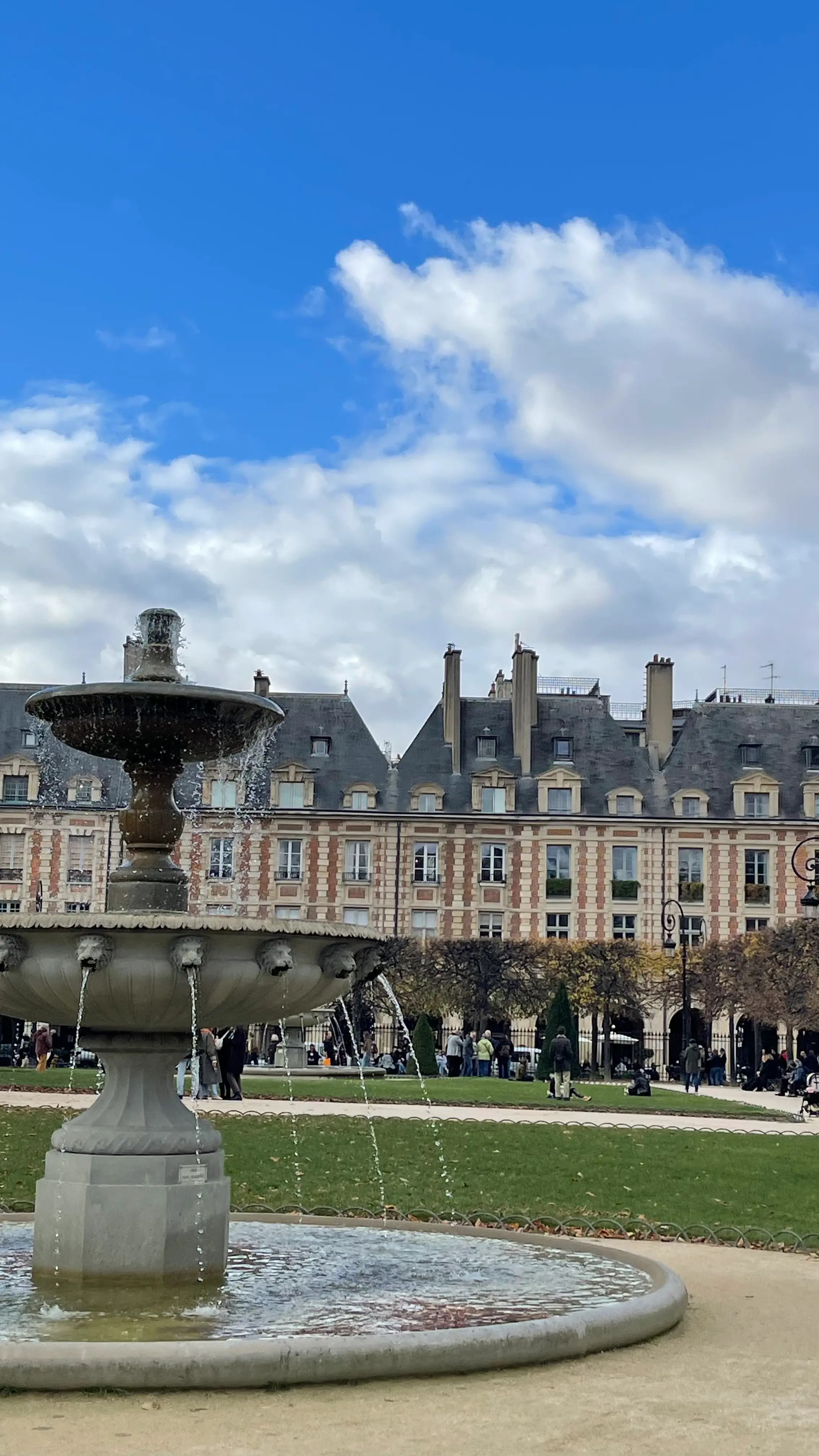
We finally arrived at Place des Vosges, considered by many as the most beautiful square in Paris, and perhaps the oldest royal square in the capital. When we reached it, the sky was clear and brilliant sunshine illuminated the red brick and white stone facades in all their splendor.
Inaugurated in 1612 under Henri IV, Place des Vosges (then called Place Royale) presents perfect symmetry: 36 identical pavilions form a harmonious square measuring 140 meters on each side. The arcades running all around house cafés and restaurants with lively terraces, prestigious art galleries, and luxury boutiques. This unique architecture creates a particular acoustics where conversations, laughter, and music from street artists resonate.
The vibrant life animating the square honors its reputation as an exceptional Parisian neighborhood. At the center, the Louis-XIII square offers a public garden where children and adults gather. You see pétanque players under the lime trees, readers seated on green benches, musicians giving impromptu concerts. Tourists mingle with Parisians in a friendly and cosmopolitan atmosphere. This square truly embodies the French art of living: architectural elegance, historic heritage, and daily sweetness of life.
Victor Hugo’s House: Immersion into a Genius’s Intimacy
At number 6 on Place des Vosges, we visited the Maison de Victor Hugo, a free municipal museum set up in the apartment where the famous writer lived from 1832 to 1848. These sixteen years were particularly fruitful: Hugo wrote an important part of his dramatic and poetic work there, notably Ruy Blas, Les Burgraves, and began Les Misérables.
The museum tour reveals Victor Hugo’s intimacy through several thematic spaces. The apartment recreates different periods of his life: the brilliant youth of the romantic author, political exile in Guernsey after the 1851 coup d’état, and the triumphal return to France after Napoleon III’s fall. The rooms are furnished with period elements and objects that belonged to the writer.
What’s particularly striking is the discovery of Victor Hugo as a draftsman. Little known to the general public, this artistic talent is expressed in the numerous drawings on display: fantastic landscapes, ominous castles, turbulent seascapes created with ink, wash, or charcoal. Hugo used experimental techniques, creating textural effects with coffee, soot, or even lace.
The recreation of the Chinese salon, created by Hugo in his Hauteville House in Guernsey, is another highlight of the visit. This exuberant decor, mixing Chinese panels, oriental porcelain, and Victorian furniture, testifies to the writer’s eclecticism and modernity. Hugo was a passionate collector who loved mixing styles and eras.
Original manuscripts, rare editions, letters, and photographs complete this immersion in Hugo’s universe. One better understands the writer’s political engagement, his fight for the abolition of the death penalty, his defense of the oppressed, and his considerable influence on 19th-century French society. A free, moving, and enriching visit that allows you to touch French literary genius.
Hôtel de Sully: An Architectural Marvel Discovered by Chance
Leaving Place des Vosges, we took the discreet rue de Birague and discovered, almost by chance, the Hôtel de Sully, one of the most beautiful aristocratic residences in Le Marais. This fortuitous discovery is part of those magical moments that only Parisian wandering can offer.
Built between 1625 and 1630 for a financier, Hôtel de Sully was acquired in 1634 by Maximilien de Béthune, Duke of Sully, former minister of Henri IV. The street facade is a masterpiece of French classical architecture: blonde ashlar stone, Corinthian pilasters, and especially exceptional sculptural decoration. The four allegorical statues representing the Elements (Air, Fire, Earth, and Water) and the Seasons (Spring, Summer, Autumn, and Winter) adorn the facade with remarkable finesse. These 17th-century sculptures have crossed the centuries preserving much of their original detail.
Crossing the monumental porch means entering another world. The main courtyard opens majestically, bordered by buildings with harmonious proportions. The interior facades repeat the same decorative vocabulary as the street facade, creating impressive architectural coherence. The sculpted pediments, ornate dormers, and French-style roofs testify to the Grand Siècle aristocracy’s refinement.
Since 1967, Hôtel de Sully has housed the Centre des monuments nationaux, the public establishment managing about a hundred historic monuments in France. Part of the spaces is accessible to the public, including the bookstore-shop specializing in heritage and art history, as well as the Jeu de Paume - Hôtel de Sully exhibition rooms, which regularly offer high-quality photography exhibitions.
A particularly ingenious architectural detail: a covered passage allows you to cross entirely through Hôtel de Sully to directly reach Place des Vosges from behind. This secret connection between two of the most beautiful sites in Le Marais offers a shortcut prized by insiders and illustrates the complex urban organization of historic Paris.
The exceptional preservation of Hôtel de Sully, painted French ceilings, original woodwork, monumental staircase, makes it a precious testimony to the aristocratic art of living in the 17th century. This unexpected discovery remained one of the highlights of our day, reminding us that in Paris, behind every carriage entrance may hide an architectural treasure.
Late Afternoon: Seine Quays and La Samaritaine
Festive Atmosphere at Pont Neuf
Our wandering naturally led us to the Seine quays, at the level of the famous Pont Neuf. Paradoxically, Pont Neuf is the oldest bridge still standing in Paris, completed in 1607 under the reign of Henri IV. With its twelve arches majestically spanning the river and connecting both banks via Île de la Cité, it remains one of the capital’s symbols.
This Saturday afternoon, the quays were particularly lively. Suddenly, for several minutes, brass bands invaded the space, transforming the embankments into an impromptu stage. Gleaming trumpets, powerful trombones, cheerful saxophones, and rhythmic percussion created an irresistible festive atmosphere. These street musicians – perhaps an amateur collective, Conservatory students, or simply passionate enthusiasts – embody real Parisian life, the kind that surprises and delights as you stroll.
Tourists and Parisians stopped, forming a circle around the musicians. Some applauded, others danced, children hopped to the rhythm of the music. These moments of spontaneous conviviality, where social barriers fade for the length of a song, are an integral part of the Parisian soul. The Seine flowed peacefully in the background, barges passed by, and for a few minutes, we lived a moment of collective happiness typically Parisian.
Beauty Shopping at La Samaritaine
A few steps from Pont Neuf stands La Samaritaine, this legendary department store reopened in June 2021 after sixteen years of closure and a spectacular 750-million-euro renovation. The building brilliantly blends Art Nouveau architecture (facade on rue de la Monnaie), Art Deco (interior), and contemporary arrangements designed by Japanese agency SANAA. The result is striking: the central glass roof, monumental staircases, and restored metal walkways harmoniously dialogue with ultra-modern sales spaces.
We took advantage of our visit to test beauty innovations available at La Samaritaine. The cosmetics and perfume department of this department store stands out for its willingness to offer brands still confidential in France, particularly in K-beauty (Korean beauty) and niche brands.
We discovered Born to Stand Out, a Korean perfumery brand that created an exclusive collaboration with La Samaritaine. This brand offers a modern and bold approach to perfumery, with unisex fragrances featuring unconventional compositions. The Korean approach to perfume differs significantly from French tradition: the juices are generally lighter, focused on freshness, with moderate lasting power that allows changing fragrances according to mood. Born to Stand Out notably offers eaux de parfum with evocative names like “Rebel Heart” or “Urban Soul,” aimed at a young and cosmopolitan clientele.
On the skincare side, we tested products from Biodance, brand illustrating the excellence of Korean cosmetics (K-beauty). Biodance became internationally known thanks to its hydrogel masks, notably the “Bio-Collagen Real Deep Mask” that went viral on social media. The brand develops innovative products combining natural active ingredients (marine collagen, probiotics, hyaluronic acid) and advanced cosmetic technologies. The textures are particularly crafted: aqueous gels, bouncy essences, and those famous masks that adhere perfectly to the face for optimal diffusion of active ingredients.
La Samaritaine’s beauty department thus allows discovering brands before they become mainstream, making the place a true laboratory of international beauty trends. The advisors are trained to explain the particularities of these Asian cosmetics, often unknown to the French public accustomed to traditional luxury houses.
Cultural Evening: Fondation Cartier
Temple of Contemporary Art
Our cultural afternoon continued at the Fondation Cartier pour l’art contemporain.
Jean Nouvel’s architecture privileges transparency and fluidity: entirely glazed facades create visual permeability between interior and exterior, between art and city, between garden and exhibition rooms. This innovative architectural design has made Fondation Cartier an emblematic place of contemporary Parisian architecture.
The Fondation Cartier’s programming distinguishes itself through its boldness and international openness. The institution gives carte blanche to both established world-renowned artists and young emerging creators, encouraging discoveries and unprecedented projects. Exhibitions are often multidisciplinary, mixing visual arts, photography, design, fashion, sciences, and performances.
What strikes during the visit is the attention paid to scenography. Each exhibition is conceived as a total immersive experience, where the building’s architecture dialogues with the presented works. The luminous spaces, generous volumes, and constant relationship with the garden create an atmosphere conducive to contemplation and reflection.
We spent an excellent time with friends, wandering from room to room, exchanging our impressions about the works, letting ourselves be surprised by sometimes disconcerting installations, always intellectually stimulating. It’s precisely this capacity to provoke dialogue, questioning, and wonder that makes Fondation Cartier’s strength in the Parisian cultural landscape. Contemporary art can intimidate, but in this welcoming and educational place, it becomes accessible to all, experts and novices alike.
When Parisian Weather Intervenes
As we finished our visit, the characteristic sound of rain began resonating on Fondation Cartier’s large roof. These sudden yet intense Parisian autumn showers are part of the charm – or inconveniences – of life in the capital. The gray sky had darkened, and we realized that dinner time was approaching.
Upon leaving, we found that traffic was heavily disrupted, as is often the case in Paris when rain arrives. Cars crawled along, taxis showed full, and ride-sharing apps announced unreasonable wait times. Faced with this situation, we made the wisest decision: take the Paris metro.
A century old, the metro remains the most reliable way to cross Paris, regardless of weather conditions or surface traffic. Raspail station allowed us to quickly reach Le Marais for our gastronomic evening, confirming once again that the underground transport network constitutes the backbone of Parisian mobility.
Evening: Aperitif and Vegetarian Dinner in Le Marais
Refined Aperitif at Maison Proust
Our gourmet evening began at Maison Proust, an elegant 5* hotel nestled in Le Marais. As its name suggests, this place pays homage to the famous writer Marcel Proust, a major figure in early 20th-century French literature. Maison Proust’s atmosphere indeed evokes a certain revisited Belle Époque: refined decoration, dark woodwork, velvet armchairs, and subdued lighting create an intimate and warm ambiance.
Maison Proust’s bar attracts a cosmopolitan and trendy clientele: neighborhood regulars, young creatives, couples on romantic dates mingle in a relaxed yet sophisticated atmosphere. It’s the kind of address where you like to linger, order a second cocktail, and enjoy the Parisian sweetness of life before sitting down for dinner.
100% Vegetarian Dinner at Maslow
For dinner, we headed to Maslow, a restaurant offering 100% vegetarian cuisine in Le Marais.
Maslow perfectly embodies the evolution of Parisian gastronomy toward more plant-based options, without compromising on quality, creativity, and gustatory pleasure. For a long time, vegetarian cuisine suffered from a dull image in France, the land of meat and cheese par excellence. But restaurants like Maslow prove that it’s possible to offer a refined and generous gastronomic experience that’s entirely plant-based.
Maslow’s menu changes regularly according to seasons and sourcing from local producers. Vegetables are glorified here, treated with the same respect as animal proteins in traditional gastronomy. You find surprising combinations: miso-roasted beets with toasted hazelnuts, whole roasted cauliflower with mild spices, einkorn risotto with Paris mushrooms, root vegetable tartare with truffle oil. The plates are crafted both in presentation and in textures and flavors, offering a complete culinary experience.
Portions are generous without being excessive, allowing you to appreciate several dishes during a complete meal. Maslow’s cuisine fits into a slow food approach, favoring short circuits, organic products, and minimal transformation of ingredients to preserve their nutritional and gustatory qualities.
Natural Wines: The Final Touch
The natural wine list is another major asset of Maslow. Natural wines, produced without chemical inputs (pesticides, herbicides, industrial yeasts) and with minimal added sulfites, are enjoying growing success among clientele concerned with traceability and authenticity. These living wines, sometimes disconcerting for palates accustomed to conventional wines, wonderfully accompany plant-based dishes.
Maslow’s selection highlights French winemakers working in biodynamics or organic agriculture: Loire domains (Muscadet, Chinon), Beaujolais (natural Morgon), Alsace (biodynamic Riesling), or Languedoc (sulfur-free Carignan). These wines are characterized by their freshness, liveliness, and aromatic expressiveness, creating subtle food and wine pairings with plant-based preparations.
The sommelier (or person in charge) guided us in our choices, explaining each cuvée’s particularities, vinification methods, and taste profiles. This educational dimension adds to the experience and allows discovering confidential winemakers who deserve to be known.
An Imperfect but Authentic Experience
To be honest, the evening wasn’t entirely flawless. Wait times between courses were occasionally long, communication between staff seemed imperfect, and some requests required repetition. These small hiccups, while not ruining the experience, reminded us that even the best addresses can have off moments.
However, we genuinely appreciated the vegetarian offering. In a city where plant-based gastronomy is still developing, finding a restaurant that takes vegetables seriously, treats them with technique and creativity, and offers generous portions at reasonable prices is valuable. Maslow fills an important gap in the Parisian restaurant landscape.
And without doubt, the natural wines they offer elevated the meal. Each glass told a story, expressed a terroir, reflected a winemaker’s philosophy. These authentic wines, free from artifice, perfectly matched the spirit of honest and generous cuisine that Maslow embodies.
Practical Tips for Your Saturday in Paris
How to Organize Your Day:
- Start early (9-10 AM) to enjoy the morning calm in covered galleries
- Plan good walking shoes: expect easily 10-15 kms of walking
- Reserve restaurants in advance, especially for Saturday evening
- Check opening hours of museums and foundations
- Always keep a backup plan in case of rain
Approximate Budget:
- Takeaway lunch: €12-20 per person
- Coffee: €5 -8 per person
- Fondation Cartier entry: €15 (reduced rate available)
- Dinner with wine: €40-60 per person
Transportation:
- Favor walking to discover Paris authentically
- Metro essential for longer journeys
- Navigo pass or single tickets depending on your stay
Paris, City of All Discoveries
This Parisian Saturday summarizes what makes the French capital’s incomparable charm: the richness of historic heritage, cultural vitality, gastronomic innovation, and that unique atmosphere where every street corner holds a surprise. From the luxury of department stores to small hidden addresses, from classified monuments to contemporary art galleries, Paris offers an unmatched diversity of experiences.
Whether you’re an architecture enthusiast, fashion passionate, gourmand seeking new flavors, or simply curious to discover the Parisian art of living, a Saturday in the capital will allow you to compose your own itinerary between must-sees and hidden treasures.
And you, what would be your perfect Saturday in Paris?
For more tips, itineraries, and tailored experiences for your next trip to Paris, feel free to contact us through our form
Francisco
#ParisGuide #VisitParis #MaraisParis #ParisWeekend #SecretParis #ParisGastronomy #ParisCulture #ParisTourism #ThingsToDoParis #ParisTravel